
Case Study: A 12-Unit Townhome Association's First HOA Loan
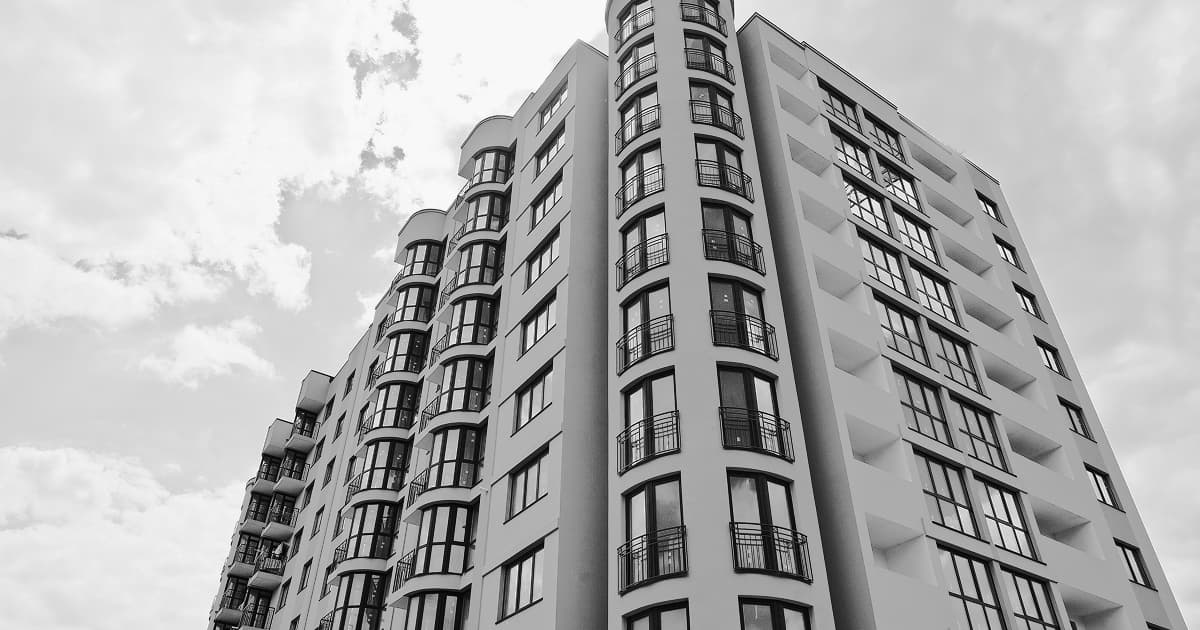
Small HOA loan case study time. This one involves a 12-unit townhome association in the mid-Atlantic with a private road that had failed. The details are anonymized, but the numbers and the process are real, and this is one of the more instructive small-deal stories we have worked in the past two years.
If your association is under 20 units and staring at a capital project that the reserves cannot cover, this walkthrough is written for you.
The situation
12 units. Townhome-style association built in 2004. Private access road roughly 800 feet long, connecting the community to the public road. The road had been patched three times over the past decade. The last engineer's assessment classified it as failed, meaning full removal and repave, not overlay.
Project cost: $180,000 including asphalt removal, base repair, drainage remediation, and repave.
Reserve balance: $22,000.
Monthly assessments: $285 per unit. Annual assessment income: approximately $41,000. Operating expenses: approximately $32,000 annually, leaving $9,000 of net contribution to reserves in a normal year.
Why this was hard
Three challenges stacked. First, the loan size ($158,000 needed after reserves, plus contingency and closing costs, brought the target loan to $170,000). That is smaller than many banks that write HOA loans will consider. Second, the association had never borrowed before, so there was no lender relationship to draw on. Third, the reserve study was 5 years old and had underestimated the road replacement cost by roughly 40 percent.
The challenge for lenders
Many banks that lend to HOAs set an internal minimum, and a deal this size sits below it. The fixed underwriting cost is the same whatever the principal. When we ran the initial anonymized inquiry to our network, 8 of the 11 lenders we typically approach for small deals declined at the size threshold alone.
Two problems compounded. The reserve study was stale, which meant lenders could not see a forward capital plan. And the association had no borrowing history, so there was no track record to point to.
The first move: refresh the reserve study
Before going to lenders for real, we advised the board to commission an updated reserve study. Cost: $4,800. Turnaround: 5 weeks. The updated study confirmed the road as the top-priority component, identified two additional components that had been missed (drainage inlets and a retaining wall), and produced a defensible 20-year funding plan.
The updated study cost the association roughly $400 per unit. It changed everything about how the loan file presented.
The solution
With the refreshed reserve study and a clean document package, we went back to the small-deal specialists in our network. Two community banks agreed to bid on the deal. Both were regional banks with existing HOA lending books willing to accept sub-$250K loans on strong files.
The two bids
- Community Bank A: $170,000, 12-year fully amortizing, approximately 7.55 percent, 0.75 percent origination fee, no prepayment penalty after year 3.
- Community Bank B: $170,000, 10-year fully amortizing, approximately 7.35 percent, 0.5 percent origination fee, no prepayment penalty at any time.
The choice
The board chose Bank B. The shorter term meant faster debt retirement, and the tighter rate and lower fee cost the association less over the life of the loan than Bank A would have. The absence of a prepayment penalty at any time meant the board could accelerate payments if a future budget surplus allowed.
Have a project in mind?
Talk to Ben or Larry. We work only for associations, never for the lender.
Get a free consultationThe final terms
- Loan amount: $170,000
- Term: 10 years fully amortizing
- Rate: approximately 7.35 percent fixed
- Origination fee: 0.5 percent ($850)
- Prepayment: no penalty at any time
What the payment meant for assessments
The board increased monthly assessments from $285 to $470 per unit to cover the loan payment and rebuild reserves. That is a 65 percent increase, which sounds severe. In context, it took the association from having no reserves and a failing road to having a paid-for road within 10 years and a reserve-building trajectory that made the community actually sustainable. The unit owners approved the increase.
What accelerated the deal
Two things. First, the reserve study refresh. Without it, we would have closed on worse terms, or not closed at all. The five-week delay for the refresh paid for itself many times over in rate improvement.
Second, a responsive treasurer. The board treasurer, a retired accountant, returned every lender email within 24 hours and had every document at her fingertips. The lender's credit analyst commented in the file that this was one of the cleanest small association files she had reviewed that year. That reputation showed up in the rate.
Timeline
- Week 1: Initial consultation, project scoping, and file gap identification
- Weeks 2 to 6: Reserve study refresh commissioned and delivered
- Week 7: Complete document package assembled
- Weeks 8 and 9: RFP to lender network; two community banks engaged
- Weeks 10 and 11: Term sheet negotiation and board selection
- Weeks 12 and 13: Association counsel opinion letter and unit owner approval
- Weeks 14 to 16: Closing documents and funding
Total time from first call to funding: approximately 16 weeks. Longer than average because of the reserve study refresh, but the delay produced a materially better outcome.
Lessons for very small associations
Lesson one: Refresh the reserve study before you shop the loan
A stale reserve study is one of the largest drags on small association loan pricing. The refresh cost is modest and the return is significant.
Lesson two: A shorter term with no balloon beats a lower rate with a balloon
The Bank B loan at 10 years fully amortizing was structurally safer than any longer-term deal with a balloon. Very small associations cannot easily refinance in a bad market, so eliminating refinancing risk is worth basis points.
Lesson three: A responsive treasurer is worth actual money
The lender treated this file better because it moved fast. Fast files close faster and price tighter. There is nothing mysterious about it.
Lesson four: A fee paid only at closing works even at $170K
We were paid at closing. If the loan doesn't close, there is no fee. That structural alignment matters most on very small deals, where fee sensitivity is highest.
Lesson five: Unit owners will approve tough measures when the alternative is clear
A 65 percent assessment increase is not a soft ask. But when the alternative is a $15,000 special assessment per unit for a failed road, plus another for whatever fails next, the loan-based approach with modest assessment increase is the easier vote. The board's presentation to unit owners focused on the total cost per household over the 10-year term. That framing carried the vote.
Where this association is today
The road was completed in the summer of the closing year. Assessments are on schedule to retire the loan on the original 10-year maturity. Reserves have grown to roughly $47,000 as of the last statement we saw. The board recently commissioned an interim reserve study update, at the 3-year mark, to keep the funding plan current. They are, by any reasonable measure, a functional association now.
Two years earlier, they were not.
If your association looks like this one
Small size, urgent capital need, no borrowing history, stale reserve study, no cash. This is a common profile and it is a solvable one. The path is not fast and it is not free, but it exists and it works.
Book a free consultation with us to walk through your specific situation, or run your project through our HOA loan calculator first. There is no upfront cost, and we are paid at closing.
Still deciding? Talk it through with us.
We’ll talk with any board at no charge and no obligation, just answers.