
Financing Building Envelope and Facade Projects
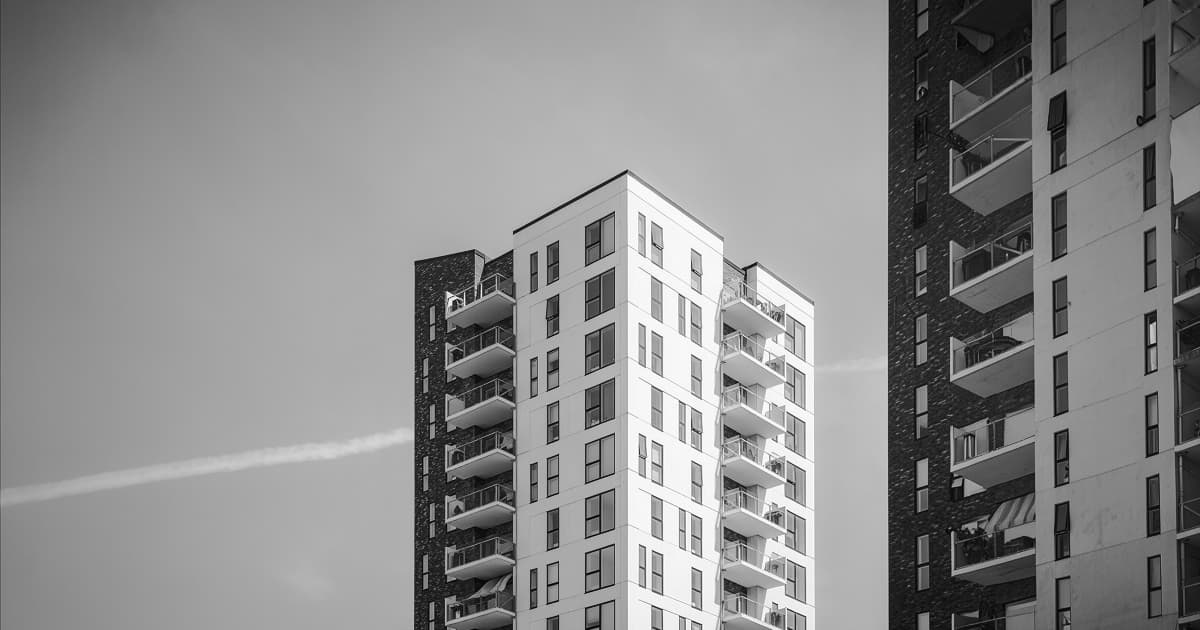
Building envelope financing HOA associations rely on is more complex than any other capital project category we handle. The scope crosses waterproofing, glazing, structural sealants, and often facade attachment systems. Loans on these projects require deeper diligence than roofs or amenity work.
Here is how we walk boards through envelope financing from initial engineer report to funded loan.
What Building Envelope Projects Actually Cover
Windows and Glazing
Full window replacement or restoration. Many mid-rise condos built in the 1980s and 1990s are now aged out of original glazing. Insulated glass units fail at the seal, moisture enters, and units require replacement.
Window scope also covers frame gaskets, weather stripping, and structural silicone at the perimeter. Even good glass fails if the seal around it degrades.
Sealants and Expansion Joints
Building movement creates gaps at expansion joints, deck-to-wall interfaces, and dissimilar-material transitions. Original sealants dry out and crack at 15 to 20 years.
Failed sealants are the number one water intrusion source on mid-rise condos. Envelope projects replace every sealant on the building perimeter, typically hundreds of linear feet.
Waterproofing
Membrane replacement on plaza decks, planter waterproofing, and below-grade wall waterproofing where accessible.
Facade Attachment
Not always in scope. When it is, the project cost jumps. Anchor replacement on brick veneer or panel systems requires structural engineering and adds materially to the base envelope budget.
Project Scale
The $20 million loan we closed in 2024 was a comprehensive envelope project on a 400-plus unit high-rise.
Timeline: 18-24 Months Construction
Construction Timeline
Envelope projects run long because access matters. Swing stages and mast climbers move around the building slowly. Weather stops work in most climates for 3 to 5 months per year.
Typical schedule: mobilization in month 1, first quadrant complete by month 6, second quadrant by month 12, third by month 18, punch list and final closeout by month 24. Some projects finish faster. Almost none finish slower without owner blowback.
Loan Process Timeline
The loan process itself typically runs 30 to 90 days from complete application to funded closing, and some take longer for a variety of reasons. Add another 4 to 6 weeks on the front end for scope finalization, bid collection, and engineer sign-off.
The loan itself typically closes in 30 to 90 days once the application is complete; the scope and bid work in front of it is the board's to schedule.
What Lenders Scrutinize on Envelope Deals
Engineer Sign-Off
The lenders we work with will want a licensed engineer to sign off on the scope. Envelope work typically involves a building envelope consultant plus a structural engineer on projects with anchor work.
Lender will pull the engineer's professional license and insurance certificate. Errors and omissions coverage matters here. Some lenders set a minimum coverage level and will reject a file where the engineer's coverage falls short of it.
Guarantee Terms
Envelope contractors offer varying warranty terms.
Lenders finance projects with defined guarantees that cover the loan term. A 15-year loan on sealant work with a 10-year warranty raises questions. Solution: negotiate longer warranty terms or amortize on 10 years.
Delinquency and Reserve Position
Envelope projects hit associations at the same time as major reserve depletion or dues increase. Lenders are generally comfortable with delinquency below about 8 percent (60 or more days past due), and they will want a plan for dues sufficiency post-close.
Insurance Alignment
Envelope projects reduce future insurance claims and often reduce premiums. Lenders factor that into cash flow projections. Some lenders offer marginally better rates on projects with documented insurance benefit.
Common Mistakes on Envelope Financing
Boards scope only the visible issues. Water intrusion behind stucco or brick veneer stays hidden until the wall opens. Envelope scoping needs invasive testing at multiple locations, not just visual inspection.
Boards accept bids without matched scope. Envelope bids can vary widely when contractors interpret scope differently. Require identical scope documents from every bidder.
Boards underestimate soft costs: engineering, legal and permit costs, and owner communication materials over a 24-month project all sit on top of the hard cost.
Real Numbers From a Recent Deal
240-unit high-rise, closed spring 2026. Scope: full sealant replacement, 80 percent window replacement, plaza deck reconstruction, and structural anchor repair.
Total project cost: $8.9 million. Loan amount: $7.6 million (association contributed $800,000 from reserves and collected $500,000 in a voluntary prepay assessment). Per unit cost: $37,000 average. Loan term: 20 years. Rate: approximately 6.55 percent. Monthly payment: approximately $57,000 or $237 per unit per month.
The owner vote passed. The board ran three informational meetings with the envelope consultant and our team present.
Frequently Asked Questions
Can we finance envelope in phases?
Yes, but rare. Most envelope projects need integrated waterproofing. Phasing creates warranty gaps at transitions. Better to fully fund and execute in a single project when possible.
Do we need a full envelope consultant or just an architect?
Architects handle design well but envelope specialists catch the failures architects miss.
What if we discover more damage mid-project?
Change orders happen on envelope work. Build a contingency of roughly 20 percent into the project cost. Most lenders will amend the loan mid-project for documented scope expansion within reason.
How do we communicate a 24-month project to owners?
Monthly progress updates from month one. Quadrant maps showing where work is active. Photos at every board meeting. Envelope projects that hide from owners lose board elections at the halfway mark.
Start Your Envelope Financing
Book a free consultation or upload your engineer scope through the AI-enabled client portal. No upfront cost, and we are paid at closing. We only get paid if your loan funds.
Still deciding? Talk it through with us.
We’ll talk with any board at no charge and no obligation, just answers.